
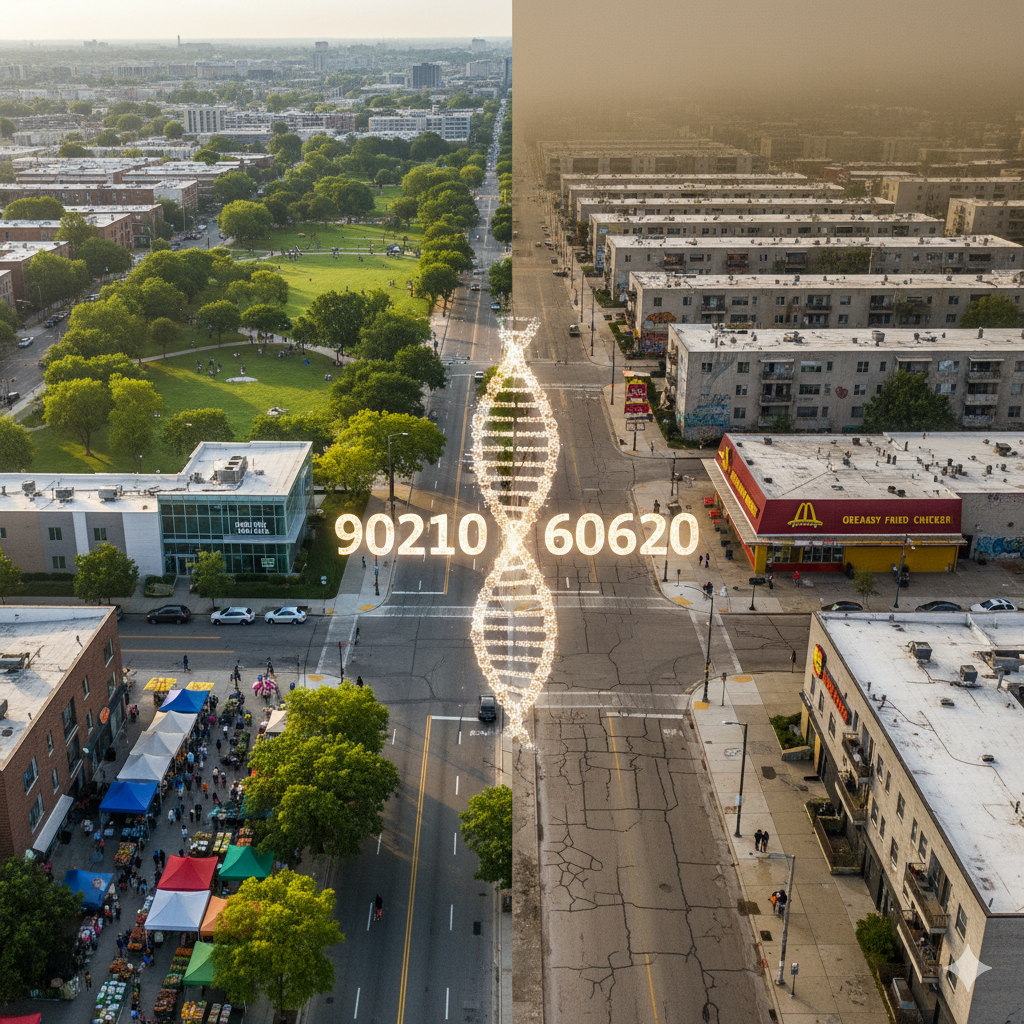
For decades, the prevailing narrative about health has centered on genetics. We’ve been told that our DNA is destiny—that whether we develop heart disease, diabetes, cancer, or Alzheimer’s disease depends largely on the genetic lottery we won or lost at conception. Billions have been invested in mapping the human genome and identifying disease-causing genes, fueled by the promise that understanding our genetic code would unlock personalized medicine and dramatically improve health outcomes. Family histories are meticulously documented in medical records, with genetic predispositions guiding screening recommendations and treatment decisions. The message, implicit and explicit, has been clear: your genes determine your health fate.
This genetic determinism, while containing elements of truth, tells an incomplete and misleading story. Emerging research reveals that for most common diseases affecting most people, genetics plays a surprisingly limited role in determining health outcomes. Twin studies, migration research, and population health data increasingly demonstrate that where you live—the physical, social, economic, and environmental context of your daily existence—often matters far more than your genetic inheritance in determining whether you’ll be healthy or sick, how long you’ll live, and what quality of life you’ll experience.
The difference in life expectancy between wealthy and poor neighborhoods in the same city can exceed fifteen years—a gap far too large to be explained by genetic differences between populations living mere miles apart. Children born in certain zip codes face dramatically higher risks of asthma, obesity, violence exposure, and poor educational outcomes than children born in different zip codes in the same metropolitan area, regardless of genetic background. People who migrate from countries with low rates of certain diseases to countries with high rates typically develop those diseases at rates similar to their adopted country rather than their country of origin, demonstrating that environment trumps genetics for these conditions.
This doesn’t mean genetics don’t matter—they clearly do for certain conditions and contribute to disease susceptibility. But it does mean that the overwhelming emphasis on genetic factors while relatively neglecting the powerful influence of place represents a fundamental misunderstanding of what primarily determines population health. This article explores why where you live profoundly shapes your health, examines the specific mechanisms through which place affects wellbeing, and discusses the implications for how we think about health, design interventions, and allocate resources.
The Limits of Genetic Determinism
Before examining why place matters so much, it’s worth understanding why genetics matter less than commonly assumed for most people’s health.
The Heritability Misconception
When studies report that a condition has 40%, 60%, or 80% heritability, people often interpret this to mean that genes determine that percentage of an individual’s risk. This represents a fundamental misunderstanding. Heritability measures how much variation in a trait within a specific population at a specific time is attributable to genetic differences rather than environmental differences. It says nothing about what determines an individual’s absolute risk or about how much changing environmental factors could alter outcomes.
For example, height is highly heritable (approximately 80%), yet average heights have increased dramatically over the past century due to improved nutrition—an environmental change. The heritability statistic describes variation within populations, not immutable genetic destiny.
Gene-Environment Interactions
Most common diseases result from complex interactions between multiple genes and multiple environmental factors. Having genetic variants that increase disease risk doesn’t guarantee you’ll develop that disease—environmental factors largely determine whether genetic susceptibilities are expressed. Someone with genetic predisposition to type 2 diabetes might never develop the disease if they maintain healthy weight, exercise regularly, and eat a nutritious diet. Conversely, even without strong genetic predisposition, people exposed to obesogenic environments with poor food access and limited physical activity opportunities commonly develop diabetes.
The Missing Heritability Problem
Massive genetic studies have identified hundreds of genetic variants associated with common diseases, yet collectively these variants explain only a small fraction of disease occurrence. For most conditions, the majority of risk remains “unexplained” by identified genetic factors. This missing heritability likely reflects the dominant role of environmental, behavioral, and social factors in determining who gets sick.
Migration Studies
Perhaps the most compelling evidence that environment matters more than genetics comes from migration studies. When people move from one country to another, their disease rates typically change to resemble their adopted country rather than maintaining the patterns of their country of origin. Japanese people moving to the United States develop heart disease rates similar to Americans rather than maintaining Japan’s lower rates. People from countries with low rates of certain cancers who migrate to countries with high rates develop those cancers at similar rates to the native population within a generation or two.
These patterns couldn’t exist if genetics were the primary determinant—the genetic makeup of migrant populations doesn’t change, but their disease rates do, demonstrating the powerful influence of environmental and behavioral factors associated with place.
The Geography of Health: Spatial Disparities
Health outcomes vary dramatically by geographic location at multiple scales—between countries, between regions within countries, between neighborhoods within cities, and even between blocks within neighborhoods.
Neighborhood Effects on Life Expectancy
Research mapping life expectancy to geographic areas reveals striking disparities. In Chicago, life expectancy in the affluent Streeterville neighborhood is 90 years, while just nine miles away in Englewood, it’s 60 years—a 30-year gap. Similar patterns exist in virtually every American city. In New Orleans, life expectancy varies by 25 years between the healthiest and least healthy neighborhoods. In Washington, D.C., the gap exceeds 27 years.
These disparities cannot be attributed to genetic differences between people living in different neighborhoods. They reflect differences in the environments those neighborhoods provide—differences in air quality, food access, safety, social cohesion, stress levels, healthcare access, and countless other factors that place imposes on residents.
The Postcode Lottery
In the United Kingdom, the “postcode lottery” describes how health outcomes and healthcare access vary dramatically depending on where you live. Similar phenomena exist worldwide. Your address often predicts your health prospects more accurately than your genetic profile, family history, or individual behaviors.
Rural-Urban Divides
In the United States and many other countries, rural residents experience higher rates of obesity, smoking, premature death, and various chronic diseases compared to urban residents. While behavioral factors contribute, these patterns also reflect environmental differences: limited access to healthcare services, fewer healthy food options, economic decline in many rural areas, and occupational exposures in agriculture and extraction industries.
Mechanisms: How Place Affects Health
Understanding that place matters is important, but understanding how place affects health reveals specific pathways for intervention.
The Built Environment
The physical design of neighborhoods—their “built environment”—profoundly influences health behaviors and outcomes. Walkable neighborhoods with sidewalks, crosswalks, parks, and mixed-use development facilitate physical activity and social interaction. Unwalkable neighborhoods dominated by highways, lacking sidewalks, designed around automobile transportation, and segregating residential from commercial areas make physical activity difficult and social isolation more likely.
Access to parks and green spaces strongly predicts physical activity levels, mental health, and even life expectancy. Neighborhoods with abundant parks provide free opportunities for exercise, play, stress reduction, and social connection. Neighborhoods lacking green space deprive residents of these health-promoting resources.
Housing quality directly affects health through multiple pathways. Substandard housing with lead paint damages children’s neurological development. Mold and poor ventilation trigger asthma and respiratory problems. Inadequate heating and cooling create health risks during temperature extremes. Overcrowding facilitates infectious disease transmission. Unstable housing creates chronic stress that harms physical and mental health.
Food Environments
Where you live largely determines what food is available, affordable, and convenient. “Food deserts”—areas lacking access to affordable, nutritious food—force residents to rely on convenience stores and fast food, making healthy eating extremely difficult regardless of knowledge or intentions. Even when people from food deserts want to eat healthily, their environment actively works against them.
Conversely, neighborhoods with abundant supermarkets, farmers markets, and grocery stores offering fresh produce enable healthy eating. Food environment profoundly shapes diet quality, which in turn affects obesity, diabetes, cardiovascular disease, cancer risk, and numerous other health outcomes.
Air and Water Quality
Environmental pollution varies dramatically by geography, with poor and minority communities disproportionately exposed to air pollution, water contamination, toxic waste sites, and industrial emissions. This “environmental injustice” directly harms health through multiple mechanisms.
Air pollution increases risks of asthma, cardiovascular disease, stroke, cognitive decline, and premature death. Children growing up in high-pollution areas show impaired lung development and higher asthma rates. Water contamination with lead, as horrifically demonstrated in Flint, Michigan, causes devastating neurological damage, particularly to children.
Living near highways exposes residents to traffic pollution associated with respiratory problems and cardiovascular disease. Proximity to industrial facilities increases exposure to various toxins. These environmental hazards are unequally distributed—wealthier, whiter neighborhoods typically have cleaner air and water than poorer, more diverse communities.
Economic Opportunity and Employment
Where you live determines available economic opportunities, which powerfully affect health through both material and psychosocial pathways. Areas with robust economies, diverse employment options, and good wages enable economic security that supports health through access to healthcare, nutritious food, safe housing, and reduced financial stress.
Economically depressed areas with limited job opportunities, low wages, and high unemployment create chronic economic insecurity that damages health. Financial stress activates physiological stress responses that, when chronic, contribute to hypertension, cardiovascular disease, weakened immunity, depression, and anxiety.
The types of available employment also matter. Areas dominated by physically demanding jobs with occupational hazards and limited benefits create different health profiles than areas with safer, better-compensated employment.
Social Environment and Safety
The social characteristics of neighborhoods—their levels of social cohesion, collective efficacy, trust, and safety—significantly influence health. Neighborhoods with strong social connections, where neighbors know and help each other, provide social support that buffers stress and promotes mental health. Socially fragmented neighborhoods lacking cohesion deprive residents of these protective factors.
Neighborhood safety profoundly affects health. Areas with high crime rates and violence create chronic stress, limit outdoor physical activity (parents won’t let children play outside in dangerous neighborhoods), and directly cause injury and death. Fear of violence keeps people indoors, reducing exercise and social interaction while increasing stress.
The chronic stress of living in disadvantaged, unsafe neighborhoods activates physiological stress responses—elevated cortisol, increased inflammation, elevated blood pressure—that accumulate over years and decades, contributing to premature aging and disease. This “weathering” effect helps explain why health disparities emerge early in life and compound over time.
Education Systems
Where you live determines which schools are available, and educational quality powerfully predicts health throughout life. Education affects health through multiple mechanisms: it provides knowledge for making healthy choices, develops cognitive skills for navigating health systems, typically leads to better employment and higher income, expands social networks and resources, and may directly affect brain development in ways that support health.
Neighborhoods with well-resourced schools, experienced teachers, low student-to-teacher ratios, and enrichment opportunities set children on trajectories toward better health. Neighborhoods with underfunded schools, teacher turnover, large class sizes, and limited resources constrain children’s futures in ways that ultimately affect their health for decades.
Healthcare Access
Where you live determines access to healthcare services—both whether services exist nearby and whether they’re affordable and culturally appropriate. “Medical deserts”—areas lacking adequate healthcare providers—force residents to travel long distances for care or go without, leading to delayed diagnoses, inadequate management of chronic conditions, and worse outcomes.
Even when healthcare exists nearby, its quality varies. Hospitals and clinics in affluent areas often provide different care quality than those in poor areas. Physician availability, specialist access, technology and equipment, and staff-to-patient ratios all vary geographically in ways that affect health outcomes.
Social Networks and Norms
The people surrounding you influence health behaviors and outcomes through social networks. If everyone in your community smokes, you’re more likely to smoke. If your neighbors exercise regularly and eat healthfully, you’re more likely to adopt those behaviors. Social norms around health behaviors spread through networks, making health behaviors partially “contagious.”
Geographic clustering of health behaviors and outcomes partly reflects these social network effects. People living in areas where obesity, smoking, or sedentary lifestyles are common face social environments that normalize and reinforce these patterns, making individual behavior change more difficult.
Cumulative Effects and Critical Periods
The health effects of place accumulate over time. Living in a health-promoting environment for a year matters less than living there for decades. The neighborhood effects on health compound—each year of exposure to poor air quality, inadequate nutrition, chronic stress, and limited opportunities for physical activity adds to the cumulative burden.
Certain life stages appear particularly sensitive to place effects. Early childhood represents a critical period when environmental exposures profoundly shape development with lasting consequences. Growing up in disadvantaged neighborhoods affects brain development, stress response systems, and biological aging in ways that influence health throughout life.
The Moving to Opportunity experiment, which randomly assigned low-income families to move to either low-poverty or high-poverty neighborhoods, demonstrated lasting place effects. Children who moved to lower-poverty neighborhoods before age 13 showed better adult outcomes including higher earnings, greater college attendance, and lower single parenthood rates. The younger children were when they moved, the larger the benefits, suggesting critical periods when place matters most.
The Interaction of Place and Individual Factors
While place profoundly affects health, individual factors—behaviors, genetics, psychology—also matter. The most accurate model recognizes that place and individual characteristics interact. Your genes influence your health susceptibility, but the environment determines whether those susceptibilities are expressed. Your behaviors affect your health, but place constrains which behaviors are realistic and sustainable.
A person genetically predisposed to obesity living in a walkable neighborhood with abundant parks and healthy food may maintain healthy weight, while someone with less genetic susceptibility living in an unwalkable food desert may become obese. Individual responsibility exists but operates within environmental constraints and affordances. Focusing exclusively on individual behavior while ignoring place contexts is like blaming someone for drowning while ignoring that they were thrown into the ocean.
Implications: Rethinking Health
Recognizing that place often matters more than genetics for health outcomes demands fundamental shifts in how we think about and address health.
From Individual to Environmental Interventions
If health is largely determined by environmental factors, individual-focused interventions—telling people to eat better, exercise more, reduce stress—have limited effectiveness when environments work against those behaviors. Sustainable health improvements require changing environments, not just changing individuals.
This means designing walkable communities, ensuring healthy food access, reducing pollution, creating economic opportunities, improving schools, building affordable quality housing, and addressing the social determinants of health. These environmental interventions can benefit entire populations rather than requiring each individual to overcome environmental obstacles through heroic personal effort.
Health in All Policies
If where people live determines their health more than medical care, then policies affecting housing, transportation, education, employment, criminal justice, and environmental regulation are health policies. The health impacts of these sectors dwarf the health impacts of medical care.
This recognition supports “health in all policies” approaches that consider health consequences of decisions across government sectors. Zoning decisions, transportation investments, education funding, minimum wage laws, environmental regulations—all profoundly affect population health and should be evaluated partly on health impacts.
Addressing Inequality
Geographic health disparities largely reflect and perpetuate social and economic inequalities. Advantaged groups tend to live in health-promoting environments while disadvantaged groups are concentrated in health-damaging environments. This isn’t accidental—it reflects historical and ongoing patterns of discrimination, disinvestment, and policy choices that have created and maintained geographic inequality.
Addressing health inequities requires addressing the unequal distribution of health-promoting and health-damaging environmental features. This means directing resources toward disadvantaged communities, remediating environmental hazards, improving infrastructure, enhancing services, and creating opportunities.
Rethinking Medical Practice
Even individual medical practice should incorporate awareness of place effects. Doctors should ask where patients live and understand how neighborhood contexts affect health and constrain behavior change. Prescribing healthier eating without knowing a patient lives in a food desert, or recommending exercise without knowing their neighborhood is unsafe, reflects inadequate understanding of how place shapes what’s possible.
Truly patient-centered care requires understanding patients’ environmental contexts and either connecting them with resources to address place-based barriers or tailoring recommendations to be realistic given those constraints.
Conclusion: Geography as Destiny?
The evidence is clear and compelling: for most people, where you live influences your health more than your genes. The physical, social, economic, and environmental characteristics of place profoundly shape health behaviors, exposures, opportunities, and outcomes in ways that accumulate over lifetimes and can span generations.
This isn’t cause for fatalism—unlike genes, environments can be changed. Recognizing that place matters more than genetics should inspire hope and action. If health disparities primarily reflected genetic differences, interventions would be limited. But if they primarily reflect modifiable environmental factors, then creating healthier places can dramatically improve population health.
The challenge is translating this knowledge into action. Creating health-promoting environments requires political will, sustained investment, cross-sector collaboration, and commitment to equity. It means prioritizing community health in decisions about development, transportation, education, employment, and environmental protection. It means ensuring that everyone, regardless of income or background, has access to the environmental conditions that support health—clean air and water, safe neighborhoods, quality housing, healthy food, economic opportunity, good schools, and social connection.
Your genes provide the hand you’re dealt, but where you live largely determines how that hand plays out. We cannot choose our genes, but we can choose to create environments where everyone has a fair chance at health. That’s not genetic destiny—that’s achievable justice. The question is whether we value health equity enough to build the healthy communities that make it possible.