
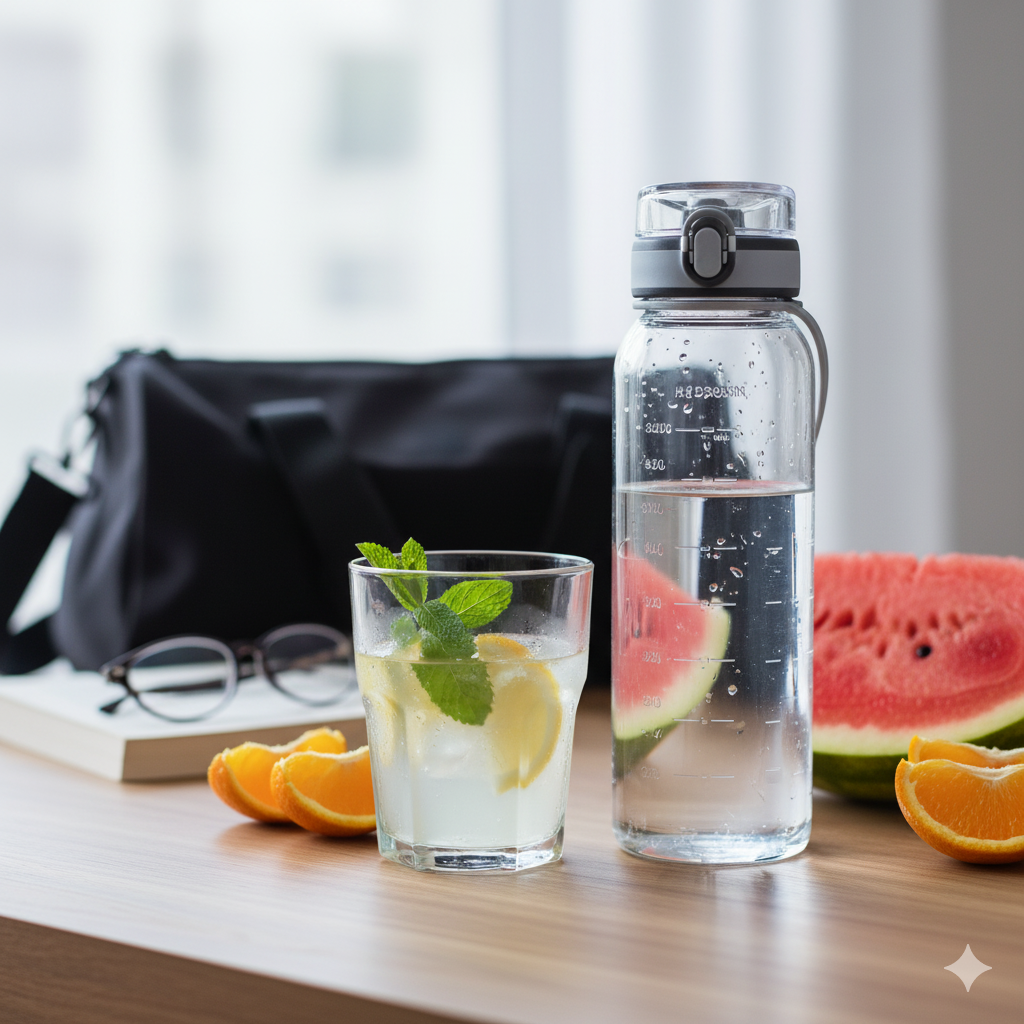
Water is life. This simple statement represents one of the most fundamental truths of human biology. Our bodies are approximately 60% water, with every cell, tissue, and organ depending on adequate hydration to function properly. Water regulates body temperature, lubricates joints, protects sensitive tissues, removes waste, aids digestion, transports nutrients, and supports countless biochemical reactions. Given water’s critical importance, you might expect clear, universally agreed-upon guidelines about how much we should drink. Instead, the topic of hydration is clouded by myths, oversimplifications, and conflicting advice that leaves many people confused about their actual water needs.
The commonly cited recommendation to drink eight glasses of water daily has become so ingrained in popular culture that few people question its origin or validity. Similarly, advice to drink before you feel thirsty, to monitor urine color obsessively, or to consume specific quantities based on body weight circulates widely on health websites and social media. Some sources claim most people are chronically dehydrated, while others suggest we’re overthinking hydration entirely. Marketing from bottled water companies adds another layer of confusion, often suggesting we need their products to achieve optimal health.
The reality of human hydration needs is more nuanced and individualized than simple one-size-fits-all recommendations suggest. Factors including body size, activity level, climate, diet, health status, and even genetics influence how much water each person requires. Understanding the science of hydration, recognizing the signs your body provides, and developing an informed, personalized approach to fluid intake can help you maintain optimal hydration without obsessing over arbitrary targets or expensive hydration products. This article explores what research actually tells us about hydration needs and provides practical guidance for smart, sustainable hydration practices.
The Myth of Eight Glasses: Where Did It Come From?
The “eight glasses of water per day” rule is so ubiquitous that many people assume it’s based on rigorous scientific research. The reality is far less definitive. This recommendation likely originated from a 1945 Food and Nutrition Board statement suggesting that people need about 2.5 liters (approximately 84 ounces) of water daily. However, the crucial caveat that most of this water comes from food was largely forgotten or ignored in subsequent public health messaging.
No major scientific study has established that drinking exactly eight 8-ounce glasses of pure water daily is necessary or optimal for most people. The recommendation persists partly because it’s simple, memorable, and not particularly harmful for most individuals, even if it’s not precisely tailored to their needs. It also aligns with commercial interests that benefit from selling bottled water and hydration products.
The truth is that water requirements vary dramatically among individuals and even for the same person across different days, seasons, and life stages. A sedentary office worker in an air-conditioned environment needs far less fluid than a construction worker laboring outdoors in summer heat. A person eating a diet rich in water-containing foods like fruits, vegetables, and soups needs less drinking water than someone consuming primarily dry, processed foods. Pregnancy, breastfeeding, illness, and certain medications all alter hydration needs.
Rather than fixating on a specific number of glasses, a smarter approach involves understanding your individual needs and recognizing your body’s signals. Your biological hydration regulation system, honed through millions of years of evolution, is remarkably sophisticated and, for most people, more reliable than any external rule.
The Science of Thirst: Trusting Your Body’s Signals
Human beings evolved long before hydration apps, water bottles with time markers, or expert recommendations. Our survival depended on effective internal mechanisms for maintaining fluid balance, and these mechanisms remain highly functional today. The primary signal that you need water is thirst—a sensation so fundamental that we often overlook its elegance and reliability.
Thirst is regulated by osmoreceptors in the hypothalamus that detect increases in blood osmolality, essentially measuring when blood becomes more concentrated due to insufficient water. When osmolality rises even slightly above optimal levels, these receptors trigger thirst sensations and simultaneously prompt the release of antidiuretic hormone (ADH), which signals the kidneys to conserve water by producing more concentrated urine. This dual mechanism both motivates you to drink and minimizes water loss while you’re finding fluids.
Contrary to popular belief, by the time you feel thirsty, you’re not dangerously dehydrated. For healthy individuals engaged in normal daily activities, thirst is an early warning system that activates well before dehydration causes any functional impairment. The commonly repeated claim that “if you’re thirsty, you’re already dehydrated” is misleading. Technically, thirst indicates your body has detected a need for water, which could be called the earliest stage of dehydration, but you’re not in a harmful state requiring emergency intervention.
Research consistently shows that for most people in most situations, drinking when thirsty and stopping when satisfied maintains proper hydration. A landmark position statement from the European Food Safety Authority concluded that water intake driven by thirst is adequate to maintain appropriate hydration status in healthy adults under normal conditions. The Institute of Medicine in the United States reached similar conclusions.
However, certain populations should not rely solely on thirst. Very young children and elderly adults sometimes have blunted thirst responses and may need reminders to drink. People with certain medical conditions, those taking specific medications, and individuals with histories of kidney stones may require more proactive hydration strategies. Athletes engaged in intense or prolonged exercise, especially in hot conditions, can lose fluid faster than thirst motivates them to drink and may need to consume fluids on a schedule.
Individual Factors: What Determines Your Needs?
While thirst provides an excellent baseline for most people, understanding the factors that influence fluid requirements helps you make informed hydration decisions and recognize when you might need to pay closer attention to intake.
Body Size and Composition
Larger bodies contain more water in absolute terms and generally require more fluid intake. A 250-pound person needs more water than a 130-pound person, all else being equal. Body composition also matters—muscle tissue contains more water than fat tissue, so more muscular individuals typically have higher water requirements. This is why recommendations based on body weight (often cited as half an ounce to one ounce per pound of body weight) can provide a more personalized starting point than universal targets, though they still don’t account for all variables.
Physical Activity
Exercise increases water loss through sweat and respiration, sometimes dramatically. The American College of Sports Medicine notes that athletes can lose 6-10% of body weight through sweat during extended training sessions. Even moderate exercise increases fluid needs. If you exercise regularly, you’ll need considerably more fluid than sedentary individuals, with exact amounts depending on exercise intensity, duration, and environmental conditions. The common advice to drink extra water before, during, and after exercise is well-founded for anyone engaging in activity lasting more than 30-45 minutes or occurring in hot conditions.
Climate and Environment
Hot, humid weather increases fluid loss through sweating. Dry climates can also increase water needs through elevated respiratory water loss, even if you’re not sweating visibly. High altitudes similarly increase respiratory water loss. Air-conditioned or heated indoor environments can be surprisingly dehydrating due to low humidity. If you travel between different climates or experience seasonal changes, your hydration needs will fluctuate accordingly.
Diet Composition
The water content of your diet significantly impacts how much you need to drink. Fruits and vegetables are often 85-95% water—eating a diet rich in salads, soups, fruits, and vegetables provides substantial fluid intake beyond what you drink. Watermelon, cucumbers, oranges, tomatoes, and leafy greens are particularly high in water content. Conversely, diets heavy in dry, processed foods like chips, crackers, and baked goods provide minimal water, increasing the amount you need to drink.
Protein intake also matters. High-protein diets increase water needs because metabolizing protein produces more waste products (particularly urea) that must be excreted by the kidneys, requiring additional water. This is one reason why bodybuilders and those following high-protein diets often need significantly more fluids.
Sodium, alcohol, and caffeine all influence hydration status. High sodium intake increases water retention and can trigger thirst. Alcohol is a diuretic that increases urine production and can lead to dehydration, particularly with excessive consumption. Caffeine has mild diuretic effects, but regular consumers develop tolerance, and the water in caffeinated beverages typically more than offsets any diuretic effect for moderate consumption (up to 300-400mg caffeine daily, or about 3-4 cups of coffee).
Health Status and Medications
Fever, vomiting, and diarrhea dramatically increase fluid losses and can quickly lead to dehydration requiring aggressive fluid replacement. Certain medical conditions including diabetes, kidney disease, and heart conditions affect fluid balance and may require specific hydration strategies under medical guidance.
Many medications affect hydration status. Diuretics intentionally increase urine output. Some blood pressure medications, antihistamines, and laxatives can also impact fluid balance. If you take regular medications, discuss whether they affect your hydration needs with your healthcare provider.
Signs of Dehydration: What to Watch For
While thirst serves as an excellent primary indicator that you need water, recognizing more severe dehydration is important for situations where you might not be able to respond to thirst immediately or when illness increases fluid loss.
Mild Dehydration
The earliest signs of mild dehydration (1-2% body weight loss) include thirst, slightly darker urine, dry mouth, and possibly mild fatigue. At this level, drinking water readily corrects the situation, and most people experience no functional impairment. Athletes might notice slightly decreased performance, but for everyday activities, the impact is minimal.
Urine color provides a useful, though imperfect, hydration indicator. Well-hydrated individuals typically produce pale yellow urine. Dark yellow urine often indicates dehydration, though first morning urine is naturally more concentrated regardless of hydration status. Vitamins, particularly B vitamins, can turn urine bright yellow regardless of hydration. Certain foods (beets, blackberries) and medications also affect urine color. Despite these limitations, monitoring urine color can provide helpful feedback, particularly for athletes or those working in hot conditions.
Moderate to Severe Dehydration
As dehydration progresses to 3-5% body weight loss, symptoms become more pronounced and concerning. These include decreased urination, very dark urine, dry skin that doesn’t bounce back quickly when pinched, rapid heartbeat, rapid breathing, dizziness, and confusion. This level of dehydration impairs physical and cognitive performance and requires prompt intervention.
Severe dehydration (over 5% body weight loss) is a medical emergency characterized by extreme thirst, little or no urination, sunken eyes, shriveled skin, low blood pressure, rapid heartbeat, fever, and altered mental status potentially including delirium or unconsciousness. This requires immediate medical attention.
For most people reading this article, severe dehydration is unlikely unless they’re experiencing significant illness, engaging in extreme endurance activities without adequate fluid replacement, or facing exceptional environmental conditions. The body’s thirst mechanism typically prevents progression to dangerous dehydration in people with access to water and the ability to drink.
Overhydration: Yes, It’s Possible
While discussions of hydration typically focus on drinking enough water, it’s also possible to drink too much, leading to a potentially dangerous condition called hyponatremia. This occurs when excessive water intake dilutes blood sodium levels to dangerously low concentrations.
Hyponatremia is most commonly seen in endurance athletes who drink excessive amounts of plain water during prolonged exercise (marathons, ultra-endurance events) without replacing electrolytes lost through sweat. Symptoms include nausea, headache, confusion, and in severe cases, seizures and coma. Several deaths have occurred among marathon runners who consumed excessive water without electrolytes.
For the general population, hyponatremia from overhydration is rare but can occur in people who intentionally drink very large quantities of water, sometimes due to misguided health advice or psychiatric conditions. The kidneys can process approximately 0.8-1 liter of water per hour in healthy adults, so consistently drinking more than this, particularly without adequate sodium intake, can be problematic.
This doesn’t mean you should fear drinking water, but it does illustrate that more isn’t always better. Drinking beyond thirst and consuming amounts that far exceed reasonable needs offers no benefits and carries potential risks.
Practical Hydration Strategies for Daily Life
Given the complexity of individual hydration needs, what’s a practical approach for everyday life? The following evidence-based strategies work for most healthy adults:
Listen to Your Body
Make thirst your primary guide. When you feel thirsty, drink. When you’re satisfied, stop. This simple approach works remarkably well for most people. Don’t force yourself to drink if you’re not thirsty simply because you feel you “should” reach a certain target.
Pay Attention to Context
Adjust intake based on circumstances. On days when you exercise, spend time outdoors in heat, or feel unwell, proactively drink more than usual. During cooler, sedentary days indoors, you’ll naturally need less.
Eat Water-Rich Foods
Include plenty of fruits, vegetables, and soups in your diet. These foods contribute significantly to hydration while providing valuable nutrients. A diet rich in these foods reduces the amount you need to drink.
Keep Water Accessible
Having water readily available makes it easier to respond to thirst promptly. Keep a water bottle at your desk, in your car, or in your bag. At home, keep a glass or bottle within easy reach. Removing barriers to drinking helps ensure you stay adequately hydrated.
Establish Patterns
While rigid rules aren’t necessary, some people find helpful patterns: drinking a glass of water with each meal, having water after using the bathroom, or starting the day with water. These habits can ensure baseline hydration without requiring constant monitoring.
Monitor Urine
Check your urine color occasionally. If it’s consistently dark (beyond first thing in the morning), increase fluid intake. If it’s consistently clear and you’re urinating very frequently, you might be drinking more than necessary.
Choose Water First
While total fluid intake includes all beverages and water from food, plain water should be your primary hydration source. It’s calorie-free, widely available, and free from sugar and artificial ingredients. Other beverages can contribute to hydration but often come with unnecessary calories or additives.
Be Strategic with Beverages
Coffee, tea, milk, and even moderate amounts of juice contribute to hydration. However, beverages with significant caffeine, sugar, or alcohol should be consumed thoughtfully. If you drink coffee or alcohol, consider alternating with or following up with water.
Special Considerations for Athletes
Athletes and highly active individuals require more sophisticated hydration strategies than the general population. For exercise lasting less than an hour at moderate intensity, drinking when thirsty and consuming water is typically sufficient. However, for prolonged or intense exercise, particularly in heat, more proactive approaches are warranted.
The concept of “drinking to thirst” still applies but should be combined with awareness of sweat rates and electrolyte losses. Athletes can determine their sweat rate by weighing themselves before and after exercise—weight loss primarily reflects fluid loss that should be replaced. A loss of 2-3% body weight during exercise may impair performance, so drinking during activity becomes important for events lasting more than an hour.
For extended exercise, particularly lasting more than 90 minutes or occurring in hot conditions, electrolyte replacement becomes crucial. Sports drinks containing sodium and other electrolytes help maintain fluid balance and prevent hyponatremia. The amount needed varies based on individual sweat rate and sweat sodium concentration, which varies considerably among individuals.
Athletes should practice their hydration strategy during training rather than trying new approaches during important events. What works for one person may not work for another, and finding your optimal strategy requires experimentation.
The Bottom Line: Smart Hydration
Smart hydration isn’t about obsessively tracking ounces, forcing down water you don’t want, or following rigid rules that don’t account for your individual circumstances. It’s about understanding your body’s sophisticated regulation system, recognizing the factors that influence your needs, and responding appropriately.
For most healthy adults, the simple approach of drinking when thirsty, eating a diet rich in water-containing foods, and paying attention to context (exercise, climate, health status) maintains excellent hydration without complicated protocols. Your body has evolved exquisite mechanisms for regulating fluid balance—trust them while remaining aware of situations that might require more conscious attention to intake.
The amount of water you really need is precisely the amount that maintains your fluid balance given your unique circumstances on any particular day. This amount fluctuates, and that’s completely normal. Rather than chasing an arbitrary number, aim for an approach that’s sustainable, sensible, and responsive to your body’s signals. That’s smart hydration.