
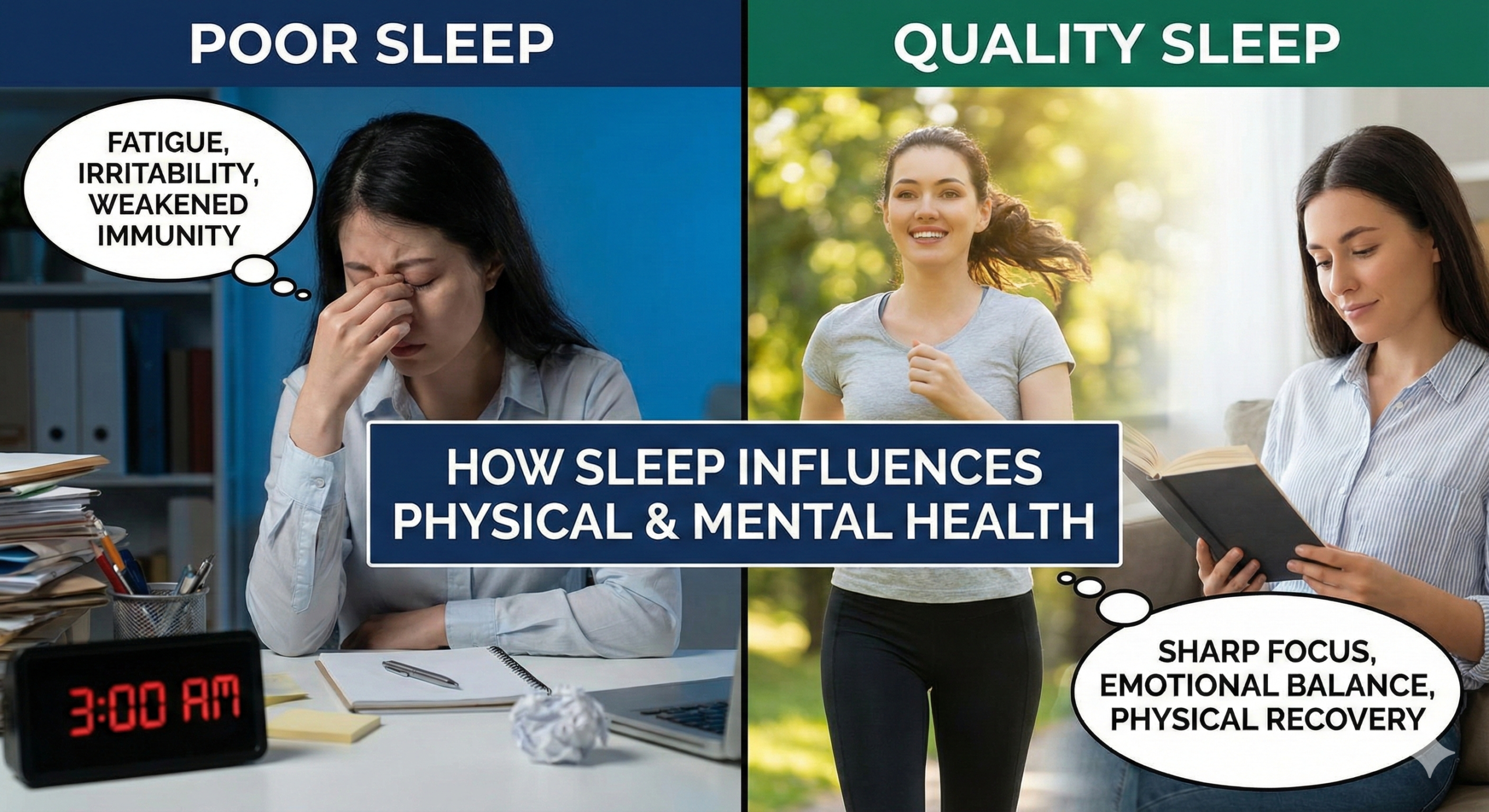
In the relentless pursuit of productivity and success, sleep has become the first casualty of modern life. We sacrifice it for work deadlines, social engagements, entertainment, and the endless scroll of digital content. The cultural glorification of sleep deprivation—with business leaders boasting about functioning on four hours, students pulling all-nighters, and the pervasive “I’ll sleep when I’m dead” mentality—has normalized what is actually a profound health crisis. We treat sleep as optional downtime, a passive state of doing nothing, when in reality it represents one of the most active, essential biological processes for human survival and thriving.
The scientific evidence is unequivocal: sleep is not a luxury but a fundamental pillar of health, as critical as nutrition and physical activity. During sleep, the body and brain engage in sophisticated maintenance, repair, consolidation, and optimization processes that cannot occur during waking hours. Chronic sleep deprivation doesn’t merely make us tired; it systematically undermines virtually every physiological system, impairs cognitive function, destabilizes mood, accelerates aging, and increases risk for numerous chronic diseases and premature death.
This article explores the profound and multifaceted ways that sleep influences both physical and mental health, examining the mechanisms through which sleep affects different bodily systems, the consequences of sleep deprivation, and the remarkable benefits of prioritizing adequate, quality sleep.
Understanding Sleep: More Than Just Rest
Sleep is not simply the absence of wakefulness or a passive shutdown of consciousness. It’s a dynamic, highly organized process involving distinct stages, each serving specific physiological and psychological functions.
Sleep architecture consists of two main types: non-REM (NREM) sleep and REM (rapid eye movement) sleep, which cycle throughout the night in roughly ninety-minute patterns. NREM sleep has three stages, progressing from light sleep (Stage 1) through deeper sleep (Stage 2) to the deepest sleep (Stage 3, also called slow-wave sleep). REM sleep, characterized by rapid eye movements, vivid dreams, and brain activity resembling wakefulness, follows NREM stages.
Each sleep stage serves distinct purposes. Deep NREM sleep is when the body performs most physical restoration—repairing tissues, building muscle and bone, and strengthening the immune system. REM sleep is crucial for emotional processing, memory consolidation, and brain development. Both are essential, and disruption of any stage impairs the restorative functions of sleep.
The average adult requires seven to nine hours of sleep per night for optimal health, though individual needs vary slightly. Critically, this means actual sleep time, not time in bed—many people spend eight hours in bed but sleep only six hours due to difficulty falling asleep or frequent awakenings.
Sleep and the Brain: Cognitive and Mental Health Impacts
Perhaps nowhere are sleep’s effects more dramatic than in the brain, where sleep deprivation quickly and profoundly impairs function.
Memory and Learning
Sleep plays an essential role in memory formation and consolidation. During waking hours, we encode new information and experiences. During sleep, particularly REM sleep and slow-wave sleep, the brain consolidates these memories, transferring them from temporary to long-term storage, organizing information, and integrating new learning with existing knowledge.
Research demonstrates that people who sleep after learning retain information significantly better than those who remain awake. Sleep deprivation before learning impairs the ability to form new memories, while deprivation after learning prevents proper consolidation. Students who pull all-nighters to study actually undermine their learning, as the brain cannot properly process and store information without adequate sleep.
Beyond simple retention, sleep facilitates insight and creative problem-solving. Studies show that people are more likely to solve complex problems after sleep, as the brain makes novel connections between disparate pieces of information during sleep cycles. The common experience of gaining clarity or solutions after “sleeping on it” reflects genuine neurological processes occurring during sleep.
Attention, Focus, and Executive Function
Sleep deprivation dramatically impairs attention and concentration. Even modest sleep restriction—getting six hours instead of eight—accumulates cognitive deficits over time. After ten days of six-hour sleep, cognitive impairment equals that of someone who has been awake for twenty-four hours straight, yet sleep-deprived individuals often don’t recognize their impairment.
Executive functions—the higher-order cognitive processes governing planning, decision-making, impulse control, and flexible thinking—are particularly vulnerable to sleep loss. Sleep-deprived people make poorer decisions, take more risks, struggle with complex tasks, and have difficulty regulating behavior and emotions.
The prefrontal cortex, the brain region responsible for executive function, is highly sensitive to sleep deprivation. This explains why tired people struggle with tasks requiring judgment, planning, and self-control, potentially leading to errors at work, accidents, and poor life choices.
Emotional Regulation and Mental Health
Sleep and mental health share a bidirectional relationship: poor sleep contributes to mental health problems, and mental health conditions disrupt sleep, creating potentially vicious cycles.
Sleep deprivation amplifies emotional reactivity. Brain imaging studies show that sleep-deprived individuals exhibit 60% greater reactivity in the amygdala (the brain’s emotional center) to negative stimuli compared to well-rested individuals. Simultaneously, connectivity between the amygdala and prefrontal cortex (which regulates emotional responses) weakens, meaning sleep-deprived people not only feel emotions more intensely but also have less capacity to regulate them.
This emotional dysregulation manifests as increased irritability, anxiety, and mood instability. Chronic sleep deprivation substantially increases risk for developing depression and anxiety disorders. Indeed, insomnia is both a symptom and a risk factor for depression—treating insomnia can reduce depression risk and improve outcomes for those already depressed.
Sleep, particularly REM sleep, plays a crucial role in processing emotional experiences. During REM sleep, the brain processes emotional memories in a way that reduces their emotional charge, essentially providing overnight therapy. This is why difficult experiences often feel less overwhelming after a good night’s sleep. Disrupted REM sleep prevents this emotional processing, contributing to emotional difficulties and potentially to conditions like post-traumatic stress disorder.
Brain Health and Neurodegenerative Disease
Emerging research reveals that sleep plays a critical role in brain maintenance and waste clearance. The brain’s glymphatic system—a waste clearance system analogous to the body’s lymphatic system—operates primarily during sleep, particularly deep sleep. During this time, cerebrospinal fluid flushes through brain tissue, clearing metabolic waste products including beta-amyloid, a protein that accumulates in Alzheimer’s disease.
Chronic sleep deprivation impairs this clearance system, allowing toxic proteins to accumulate. This may explain the strong association between chronic sleep problems and increased risk for Alzheimer’s disease and other neurodegenerative conditions. Conversely, adequate sleep may be protective against cognitive decline.
Sleep deprivation also impairs neuroplasticity—the brain’s ability to form new neural connections and reorganize itself. This affects learning capacity, adaptation to new situations, and recovery from brain injuries.
Sleep and Physical Health: Systemic Effects
While sleep’s impact on the brain is profound, its influence extends throughout the entire body, affecting virtually every physiological system.
Cardiovascular Health
Sleep deprivation significantly impacts cardiovascular health. During sleep, particularly deep sleep, heart rate and blood pressure naturally decrease, giving the cardiovascular system essential recovery time. Sleep deprivation prevents this recovery, keeping the cardiovascular system in a state of elevated activity.
Chronic short sleep (less than six hours nightly) increases risk for hypertension, heart disease, heart attack, and stroke. Even one night of insufficient sleep can increase blood pressure. The mechanisms involve multiple factors: elevated stress hormones, increased inflammation, disrupted autonomic nervous system function, and impaired vascular function.
Sleep disorders, particularly sleep apnea (where breathing repeatedly stops during sleep), dramatically increase cardiovascular risk. The intermittent oxygen deprivation and sleep fragmentation characteristic of sleep apnea create significant cardiovascular stress. Treating sleep apnea improves cardiovascular outcomes.
Interestingly, extremely long sleep duration (regularly over nine hours) is also associated with increased cardiovascular risk, though this may reflect underlying health conditions rather than sleep itself causing problems. The sweet spot appears to be seven to eight hours for most adults.
Metabolic Health and Weight Regulation
Sleep profoundly influences metabolism, appetite regulation, and weight management. Sleep deprivation disrupts hormones that regulate hunger and satiety: it increases ghrelin (the “hunger hormone”) and decreases leptin (the “satiety hormone”), making sleep-deprived people hungrier and less satisfied after eating.
Additionally, sleep deprivation impairs the prefrontal cortex regions governing impulse control, making it harder to resist unhealthy food choices. Tired people tend to crave high-calorie, high-carbohydrate foods and consume more calories overall. Studies show that sleep-deprived individuals consume an average of 300-500 extra calories daily compared to when well-rested.
Sleep affects insulin sensitivity—the body’s ability to respond appropriately to insulin and regulate blood sugar. Just one week of sleeping 4-5 hours nightly reduces insulin sensitivity by 20-30%, creating a pre-diabetic state in otherwise healthy individuals. Chronic sleep deprivation substantially increases type 2 diabetes risk.
The relationship between sleep and weight is bidirectional: poor sleep promotes weight gain, and obesity (particularly through sleep apnea) disrupts sleep. This creates problematic cycles where sleep and metabolic problems reinforce each other.
Immune Function
Sleep and the immune system are intimately connected. During sleep, the immune system releases cytokines—proteins that help fight infection and inflammation. Sleep deprivation reduces production of these protective cytokines and infection-fighting antibodies.
Research demonstrates that sleep-deprived people are significantly more susceptible to infections. In one study, people sleeping less than seven hours nightly were three times more likely to develop a cold after viral exposure compared to those sleeping eight hours or more. Sleep quality matters as much as duration—fragmented sleep provides less immune support than consolidated sleep.
Sleep also affects vaccine effectiveness. Sleep-deprived individuals produce fewer antibodies in response to vaccinations compared to well-rested individuals, meaning vaccines are less protective when administered during periods of sleep deprivation.
The relationship works both ways: when we’re sick, we often sleep more because the immune system signals the brain to increase sleep, facilitating recovery. This is adaptive—trying to push through illness without adequate rest prolongs recovery.
Hormonal Regulation
Sleep regulates numerous hormonal systems beyond those affecting appetite. Growth hormone, essential for tissue repair, muscle building, and bone health, is primarily released during deep sleep. Sleep deprivation reduces growth hormone secretion, impairing physical recovery and maintenance.
Sleep affects reproductive hormones. In men, sleep restriction reduces testosterone levels significantly—one study found that sleeping five hours for one week reduced testosterone by 10-15%, equivalent to aging 10-15 years. In women, chronic sleep deprivation can disrupt menstrual cycles and reduce fertility.
The stress hormone cortisol follows a natural daily rhythm, with levels lowest during sleep and rising before waking. Sleep deprivation disrupts this pattern, leading to elevated cortisol that contributes to numerous health problems including weight gain, anxiety, impaired immune function, and cardiovascular issues.
Inflammation and Pain
Chronic sleep deprivation promotes systemic inflammation, a factor in numerous diseases including cardiovascular disease, diabetes, cancer, and autoimmune conditions. Sleep-deprived individuals show elevated inflammatory markers including C-reactive protein and interleukin-6.
Sleep also modulates pain perception. Poor sleep lowers pain thresholds, making people more sensitive to pain. Conditions characterized by chronic pain—fibromyalgia, arthritis, chronic headaches—are often accompanied by sleep disturbances. Improving sleep often reduces pain intensity and improves quality of life for people with chronic pain conditions.
Athletic Performance and Physical Recovery
For athletes and active individuals, sleep is crucial for performance and recovery. During sleep, particularly deep sleep, muscles repair, energy stores replenish, and hormones supporting recovery are released.
Studies consistently show that sleep extension improves athletic performance across multiple domains: speed, accuracy, reaction time, and endurance. Conversely, sleep deprivation impairs coordination, increases injury risk, lengthens recovery time, and reduces motivation for training.
Professional athletes increasingly recognize sleep as a performance enhancer, with many prioritizing eight or more hours nightly and incorporating naps into training routines.
Sleep Across the Lifespan: Changing Needs and Impacts
Sleep needs and patterns change throughout life, with sleep playing different but crucial roles at each stage.
Infants and children require substantially more sleep than adults—newborns need 14-17 hours, toddlers 11-14 hours, school-age children 9-11 hours, and teenagers 8-10 hours. During childhood, sleep supports rapid brain development, learning, physical growth, and immune development. Sleep-deprived children often show behavioral problems, learning difficulties, and increased illness. The early school start times common in many countries directly conflict with adolescent biology, contributing to widespread sleep deprivation among teenagers.
Adults generally need 7-9 hours, though this varies individually. For adults, sleep supports cognitive function, emotional regulation, physical health maintenance, and disease prevention as discussed throughout this article.
Older adults often experience changes in sleep architecture and duration, with more fragmented sleep, less deep sleep, and earlier wake times. While sleep needs don’t dramatically decrease with age, sleep quality often does due to medical conditions, medications, pain, and age-related changes in circadian rhythms. Sleep problems in older adults are associated with cognitive decline, increased fall risk, and reduced quality of life. Contrary to common belief, poor sleep in older adults is not inevitable and should be addressed rather than accepted.
The Sleep Debt Phenomenon: Can You Catch Up?
Many people accumulate “sleep debt” by sleeping insufficiently during the week and attempting to compensate with weekend sleep-ins. While extra weekend sleep provides some recovery, it doesn’t fully compensate for chronic sleep deprivation’s effects.
Acute sleep debt from a few nights of poor sleep can be largely recovered with adequate subsequent sleep. However, chronic sleep restriction over weeks, months, or years creates cumulative deficits that cannot be fully reversed by occasional long sleep periods. Some effects of chronic sleep deprivation—particularly cognitive impairments and increased disease risk—may persist even after sleep patterns improve.
This underscores the importance of consistent, adequate sleep rather than the feast-or-famine pattern many people follow.
Modern Challenges to Healthy Sleep
Contemporary life presents numerous obstacles to healthy sleep that our ancestors didn’t face.
Artificial light, particularly blue wavelength light from screens, suppresses melatonin production and delays circadian rhythms, making it harder to fall asleep at appropriate times. Evening screen use is one of the most significant contributors to modern sleep problems.
24/7 culture with constant connectivity, shift work, and social expectations to be always available disrupts natural sleep patterns and creates pressure to sacrifice sleep for productivity or social engagement.
Stress and anxiety endemic to modern life activate the nervous system in ways incompatible with sleep, creating difficulty falling asleep or staying asleep.
Environmental factors including noise, light pollution, and temperature control in modern dwellings can disrupt sleep quality.
Caffeine consumption, particularly afternoon or evening intake, interferes with sleep onset and quality. Caffeine has a half-life of 5-6 hours, meaning significant amounts remain in the system many hours after consumption.
Prioritizing Sleep: Practical Implications
Understanding sleep’s profound health impacts makes prioritizing it non-negotiable. This means:
Establishing consistent sleep-wake schedules, even on weekends, to regulate circadian rhythms and improve sleep quality.
Creating sleep-conducive environments: dark, quiet, cool (around 65-68°F/18-20°C), and comfortable bedrooms dedicated primarily to sleep.
Developing wind-down routines that signal the body to transition toward sleep, including dimming lights, avoiding screens, and engaging in relaxing activities before bed.
Limiting caffeine to morning hours and avoiding alcohol close to bedtime, as it disrupts sleep architecture despite initial sedating effects.
Managing stress through daytime practices like exercise, meditation, and stress-reduction techniques that prevent anxiety from disrupting sleep.
Seeking treatment for sleep disorders like insomnia or sleep apnea, which affect millions but often go undiagnosed and untreated.
Reframing sleep as a productivity enhancer rather than time wasted. Well-rested individuals accomplish more in less time with better quality work than sleep-deprived people pushing long hours.
Conclusion: Sleep as Foundation
Sleep is not a negotiable luxury or an unfortunate necessity that limits waking productivity. It is a fundamental biological process essential for virtually every aspect of physical and mental health. The evidence is overwhelming: adequate, quality sleep supports cognitive function, emotional stability, physical health, immune function, longevity, and quality of life. Conversely, chronic sleep deprivation systematically undermines health, performance, and well-being in ways both immediate and long-lasting.
In a culture that glorifies busyness and productivity at the expense of rest, prioritizing sleep represents a revolutionary act of self-care. It requires setting boundaries, managing time effectively, and valuing health over unsustainable productivity. The return on this investment is extraordinary: better health, sharper thinking, stable mood, enhanced performance, and a significantly improved quality of life.
Your sleep is not time stolen from living—it’s the foundation that makes truly living possible. Treat it accordingly.